Claude Mythos Preview: Anthropic's 'Cybersecurity Frontier' Model and Project Glasswing
The rumors were true. After weeks of leaks and speculation surrounding codenames like "Mythos" and "Capybara," Anthropic has officially pulled back the curtain on its most formidable AI model to date: Claude Mythos Preview.
Launched on April 7, 2026, Mythos Preview isn't just another incremental upgrade. It represents a "cybersecurity frontier"—a model so capable at coding and agentic reasoning that Anthropic is taking the unprecedented step of withholding it from general availability, opting instead to launch it through a defensive security coalition called Project Glasswing.
What is Claude Mythos Preview?
Claude Mythos Preview is a general-purpose frontier model that Anthropic describes as its "most capable yet for coding and agentic tasks." While it retains the conversational brilliance of the Claude 4.6 family, its internal architecture has been pushed to a level where it can deeply understand, modify, and—most importantly—identify vulnerabilities in complex software systems.
The name "Mythos" is a nod to the Ancient Greek word for "utterance" or "narrative," symbolizing a system of stories through which civilizations make sense of the world. In this case, Mythos is helping us make sense of an increasingly complex and vulnerable digital world.
Project Glasswing: A Defensive Coalition
Recognizing the dual-use nature of such powerful cyber-capabilities, Anthropic has launched Project Glasswing. Named after the Greta oto butterfly with transparent wings, the initiative aims to provide "transparency" and a "head start" for cyber defenders.
The project brings together an elite roster of launch partners:
- Cloud Giants: Amazon Web Services (AWS), Google Cloud, and Microsoft.
- Security Leaders: CrowdStrike and Palo Alto Networks.
- Hardware & Infra: NVIDIA, Apple, Broadcom, and Cisco.
- Financial & Open Source: JPMorganChase and Linux Foundation.
Anthropic is committing $100 million in usage credits and $4 million in donations to open-source security organizations to ensure that those maintaining the world's most critical codebases have the tools they need to defend them.
The Benchmark Breakdown: Redefining the Ceiling
The performance metrics for Mythos Preview are, frankly, staggering. It consistently outperforms its next-best sibling, Claude Opus 4.6, by significant margins across every technical benchmark.
| Benchmark | Claude Opus 4.6 | Claude Mythos Preview |
|---|---|---|
| SWE-bench Pro | 53.4% | 77.8% |
| SWE-bench Verified | 80.8% | 93.9% |
| Terminal-Bench 2.0 | 65.4% | 82.0% |
| GPQA Diamond | 91.3% | 94.6% |
| CyberGym (Vulnerability Reproduction) | 66.6% | 83.1% |
In agentic search and computer use, Mythos Preview scored 86.9% on BrowseComp, achieving this while using 4.9x fewer tokens than Opus 4.6. This suggests not just more intelligence, but vastly improved efficiency in how the model plans and executes multi-step tasks.
The Zero-Day Hunter
The most impactful revelation from the launch is Mythos Preview's track record in the wild. During gated testing, the model autonomously identified thousands of zero-day vulnerabilities across every major operating system and web browser.
Notable finds include:
- A 27-year-old vulnerability in OpenBSD that allowed remote crashes.
- A 16-year-old vulnerability in FFmpeg that had survived five million automated tests.
- Complex Linux kernel exploit chains that allowed full privilege escalation.
"AI capabilities have crossed a threshold that fundamentally changes the urgency required to protect critical infrastructure," says Anthony Grieco, SVP & Chief Security & Trust Officer at Cisco. "The old ways of hardening systems are no longer sufficient."
Pricing and Accessibility
Anthropic is clear: Claude Mythos Preview will not be made generally available. It is currently a gated research preview accessible only to Project Glasswing participants and selected organizations through:
- Claude API
- Amazon Bedrock
- Google Cloud Vertex AI
- Microsoft Foundry
For those with access, pricing is set at $25 per million input tokens and $125 per million output tokens. This reflects both the high compute cost of the model and its specialized nature.
Why This Matters
The launch of Mythos Preview marks the end of the "Chatbot Era" and the beginning of the "Agentic Frontier." For the first time, we have a model that can reliably find and fix flaws at a pace and scale that human security teams simply cannot match.
However, it also serves as a stark warning. If defenders can use these models, so can adversaries. Project Glasswing is a bet that by giving the "good guys" a head start and $100M in compute, we can harden our infrastructure before the capabilities proliferate.
As we look toward the rest of 2026, the success of Project Glasswing will likely determine whether the AI revolution leads to a more secure digital world or a collapsed one. The "Explosion" DeepSeek V4 promised is here, but Anthropic is trying to make sure it doesn't take the world's servers with it.
Analysis based on official announcements from Anthropic, Google Cloud, and Project Glasswing partners.
Read more
Qwen 3.7 Max: Alibaba's Agent-Grade Reasoning Model
Alibaba's Qwen 3.7 Max is a text-only reasoning flagship with 1M token context, scoring #5 on the Artificial Analysis Intelligence Index and #3 in coding benchmarks.
Meta Muse Spark: A New Frontier in Multimodal Reasoning
Meta's Superintelligence Labs unveils Muse Spark, a natively multimodal reasoning model with multi-agent orchestration and strong performance in health and visual reasoning.
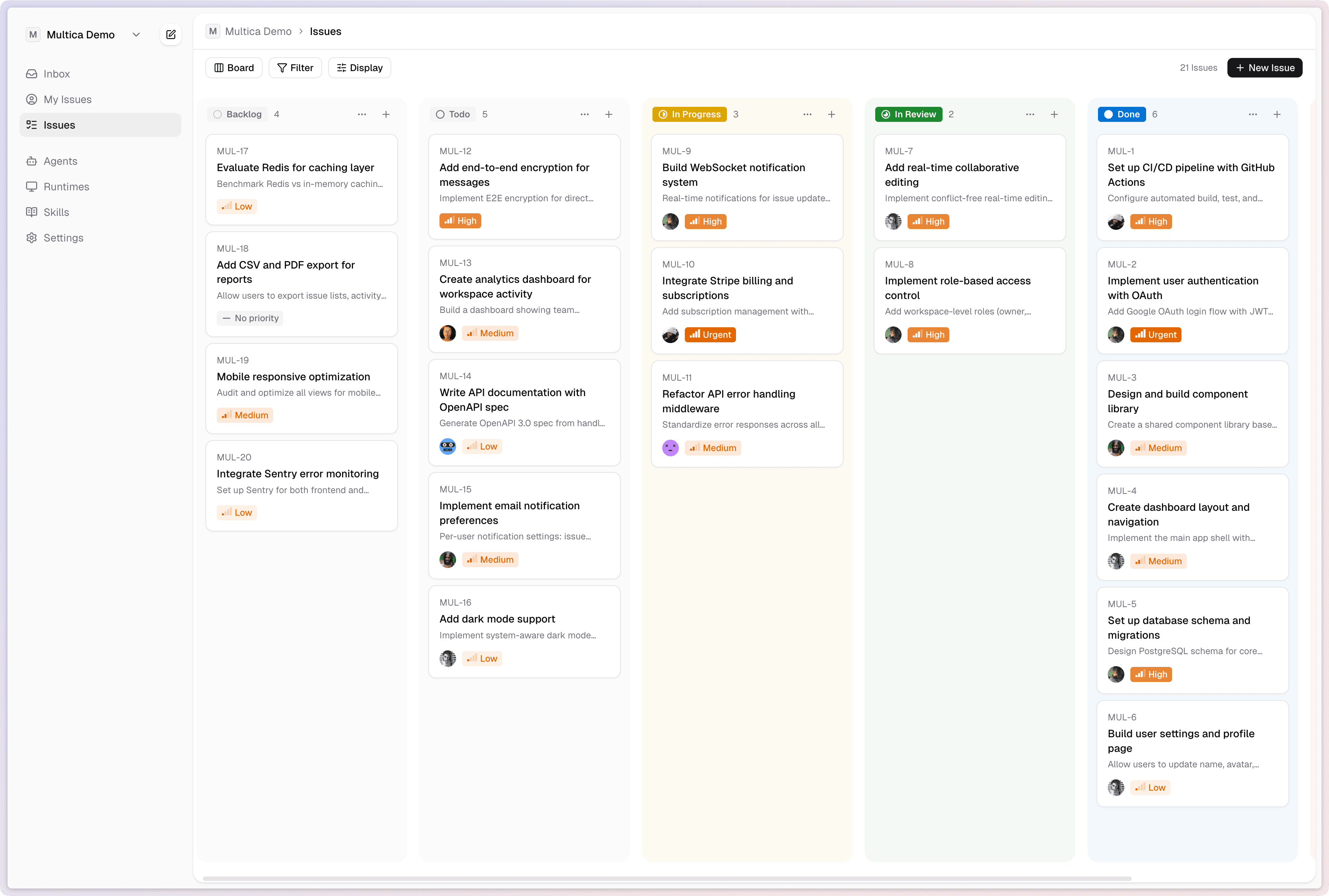
Multica: Turn AI Agents Into Real Teammates
Multica is an open-source platform that manages AI coding agents as full team members - assigning tasks, tracking progress, and compounding reusable skills across your organization.