Peter Steinberger Joins OpenAI
On February 16, 2026, OpenAI officially hired Peter Steinberger, the creator of the viral open-source agent OpenClaw, marking a strategic pivot from "Conversational AI" to "Actionable AI."
The Big Hire: A Strategic Acquisition
OpenAI's latest acqui-hire puts Peter Steinberger at the center of the fast-moving stage of agentic AI. The AI powerhouse has hired Steinberger to lead its personal agents division, OpenAI CEO Sam Altman announced on X on February 15, praising him as "a genius with a lot of amazing ideas about the future of very smart agents interacting with each other to do very useful things for people."
Previously known as Clawdbot, then Moltbot, OpenClaw achieved viral popularity over the past few weeks with its promise to be the "AI that actually does things," whether that's managing your calendar, booking flights, or even joining a social network full of other AI assistants.
The New Role: Leading Personal Agents Division
In his new role, Steinberger will "drive the next generation of personal agents," moving OpenAI beyond chatbots into always-on personal AI assistants that can execute tasks autonomously.
This represents a fundamental shift for OpenAI from conversational AI to actionable AI — systems that don't just answer questions but actually get things done for users. The Personal Agents Division will focus on building AI that can navigate complex software interfaces, manage files, book travel, and handle other real-world tasks.
Open-Source Win: OpenClaw Stays Independent
In a surprise move that delighted the open-source community, Sam Altman announced that OpenClaw will remain open source under an independent foundation, with OpenAI providing the funding and resources.
"OpenClaw will live in a foundation as an open source project that OpenAI will continue to support," Altman wrote in his announcement.
This decision prevents the fate that befell many other promising open-source projects that get acquired and subsequently closed off. The independent foundation structure ensures that OpenClaw can continue to serve the broader developer community while benefiting from OpenAI's resources.
Steinberger's Motivation: Changing the World
In a blog post announcing his decision to join OpenAI, the Austrian developer explained his reasoning.
"What I want is to change the world, not build a large company, and teaming up with OpenAI is the fastest way to bring this to everyone," Steinberger said.
He acknowledged that he might have been able to turn OpenClaw into a huge company independently, but "it's not really exciting for me." The opportunity to scale his vision for personal AI agents through OpenAI's platform proved too compelling to pass up.
The Goal: From Chat to Action
OpenAI is using Steinberger's expertise to build agents that don't just answer questions, but execute tasks. This represents the next evolution in AI assistance:
- Current ChatGPT: Answers questions and provides information
- Future Personal Agents: Books travel, manages files, navigates software interfaces
The vision is AI assistants that can understand complex user needs and break them down into actionable steps, then execute those steps across multiple applications and services.
Industry Impact and Competition
Steinberger's move to OpenAI sends ripples through the AI industry, particularly in the competitive landscape of AI agents:
- Anthropic: Has been developing Claude Code for developer assistance
- Google: Working on advanced agent capabilities in DeepMind
- Microsoft: Integrating agents throughout Office and Windows
- Startups: Numerous companies building specialized AI agents
OpenAI's acquisition of Steinberger gives them a significant advantage in the personal AI space, potentially leapfrogging competitors in the race to create truly useful AI assistants.
Technical Challenges Ahead
Building reliable personal AI agents presents significant technical challenges:
- API Integration: Connecting with countless third-party services
- Error Handling: Recovering from failed actions gracefully
- User Trust: Ensuring agents don't make costly mistakes
- Privacy: Managing sensitive personal data securely
- Context Understanding: Maintaining context across complex tasks
Steinberger's experience with OpenClaw, which already tackles many of these challenges, makes him uniquely qualified to lead this effort at OpenAI.
The Road Ahead
For OpenAI, the Steinberger hire represents more than just talent acquisition — it's a strategic bet on the future of AI interaction. The company is positioning itself for a world where AI assistants become as fundamental to daily computing as web browsers are today.
For users, this promises AI that can actually do things rather than just talk about them. The vision is AI assistants that can handle the tedious digital tasks that consume so much of our time, freeing humans for more creative and strategic work.
For the open-source community, the continued independence of OpenClaw ensures that the underlying technology remains accessible while benefiting from OpenAI's resources and Steinberger's continued involvement.
The next few years will be crucial in determining whether OpenAI can deliver on this vision of truly useful personal AI agents. But with Peter Steinberger leading the charge, they've assembled the right team for the challenge.
This coverage is based on official announcements from OpenAI and Peter Steinberger, plus industry analysis of the AI agent landscape.
Read more
Qwen 3.7 Max: Alibaba's Agent-Grade Reasoning Model
Alibaba's Qwen 3.7 Max is a text-only reasoning flagship with 1M token context, scoring #5 on the Artificial Analysis Intelligence Index and #3 in coding benchmarks.
Meta Muse Spark: A New Frontier in Multimodal Reasoning
Meta's Superintelligence Labs unveils Muse Spark, a natively multimodal reasoning model with multi-agent orchestration and strong performance in health and visual reasoning.
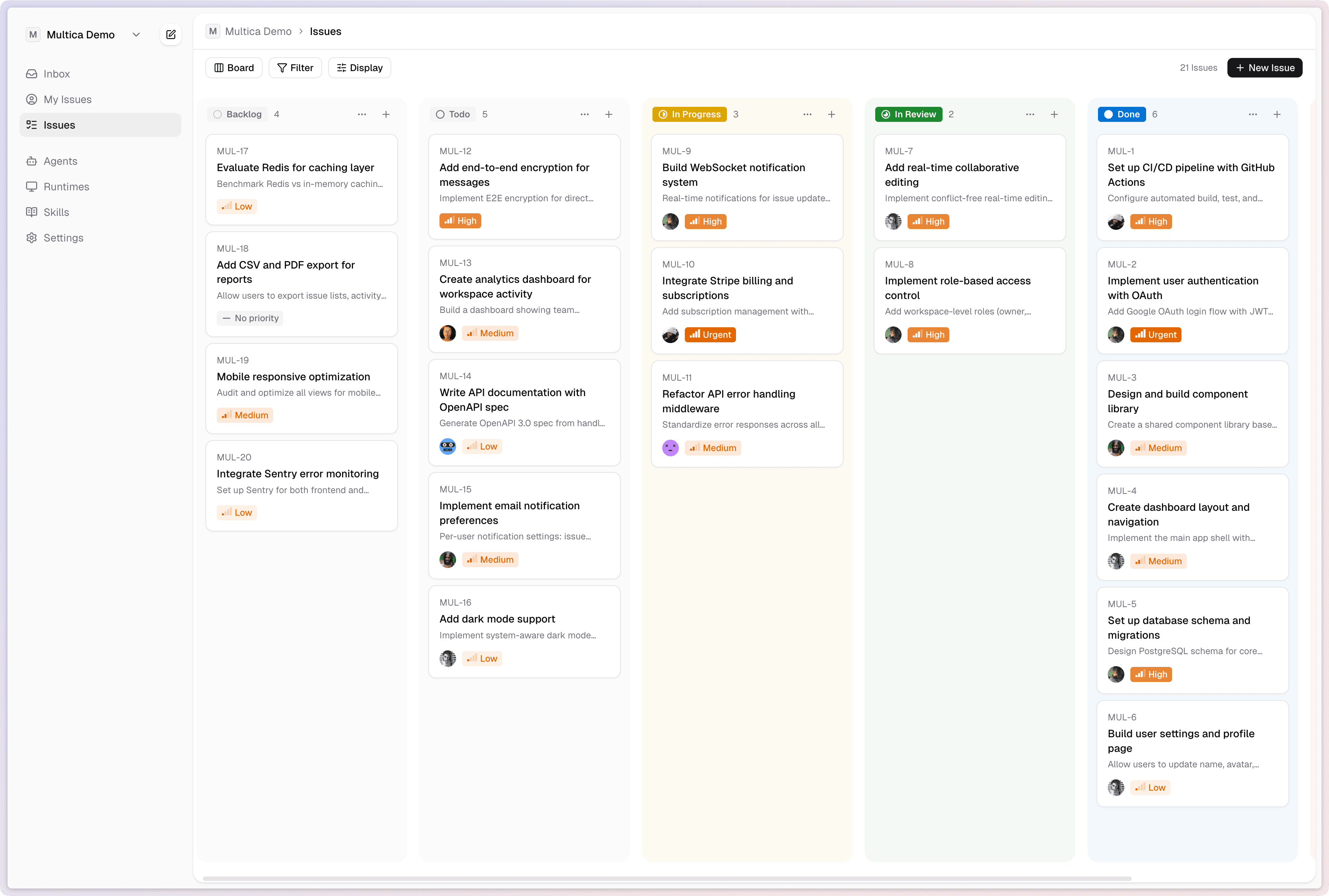
Multica: Turn AI Agents Into Real Teammates
Multica is an open-source platform that manages AI coding agents as full team members - assigning tasks, tracking progress, and compounding reusable skills across your organization.