OpenAI Operator: The AI Agent That Uses Its Own Browser
OpenAI has taken a massive leap from conversation to action with the launch of Operator, an AI agent that can use its own browser to perform tasks autonomously. This marks a fundamental shift in what AI can do — moving beyond answering questions to actually getting things done.
What is Operator?
Operator is a research preview of an AI agent that can use its own browser to perform tasks for you. Unlike traditional chatbots that wait for your input and respond to prompts, Operator takes initiative — navigating websites, filling forms, and completing multi-step workflows on your behalf.
Available initially to Pro users in the U.S., Operator represents OpenAI's vision for the future of AI: not just a conversation partner, but an autonomous assistant that can act on your behalf.
How It Works
Computer-Using Agent (CUA)
At the core of Operator is OpenAI's Computer-Using Agent (CUA) technology. This system combines:
- Visual understanding: Operator can "see" what's on your screen through screenshots
- Autonomous navigation: It can click, type, and interact with web elements
- Task planning: Breaks complex tasks into manageable steps
- Error recovery: Can recover from mistakes and try alternative approaches
Real-World Capabilities
Operator can handle tasks like:
- Shopping: Find products, compare prices, and complete purchases
- Research: Navigate multiple sources, extract information, and compile reports
- Booking: Make reservations for travel, dining, or appointments
- Form filling: Complete complex forms and applications
- Content creation: Generate and post content across platforms
From Research Preview to Mainstream
The concept proved so valuable that OpenAI folded Operator into its flagship product. By February 2026, Operator was fully integrated into ChatGPT as "agent mode."
Key timeline:
- January 2025: Initial research preview launch
- July 17, 2025: Operator fully integrated into ChatGPT as agent mode
- Operator research preview site: Remains functional for a few more weeks before sunset
The Shift from Chatting to Doing
For the past three years, AI was a conversation partner. You typed a prompt, it typed back. Useful? Absolutely. Transformative? Debatable.
Operator represents the real transformation — AI that doesn't just tell you things can be done, but actually does them. This shift from "chatbot" to "agent" is what industry experts call the move to "agentic AI."
Enterprise Implications
The implications for businesses are significant:
- Automated workflows: Routine tasks can be handled autonomously
- Customer service: Agents can navigate systems to resolve issues
- Research and intelligence: Automated gathering of competitive information
- Productivity gains: Employees focus on creative work while AI handles execution
The Future of AI Agents
Operator is just the beginning. As the technology matures, we can expect:
- More reliable execution: Current limitations around complex interactions will improve
- Broader platform support: Beyond browsers to desktop applications and mobile
- Enhanced reasoning: Better understanding of context and user intent
- Enterprise integration: Deeper connections with business tools and workflows
OpenAI's move into agentic AI signals the end of the "chatbot wars" and the beginning of a new era — where AI doesn't just respond to prompts, it acts on your behalf.
This analysis is based on OpenAI announcements and industry reporting.
Read more
Qwen 3.7 Max: Alibaba's Agent-Grade Reasoning Model
Alibaba's Qwen 3.7 Max is a text-only reasoning flagship with 1M token context, scoring #5 on the Artificial Analysis Intelligence Index and #3 in coding benchmarks.
Meta Muse Spark: A New Frontier in Multimodal Reasoning
Meta's Superintelligence Labs unveils Muse Spark, a natively multimodal reasoning model with multi-agent orchestration and strong performance in health and visual reasoning.
Multica: Turn AI Agents Into Real Teammates
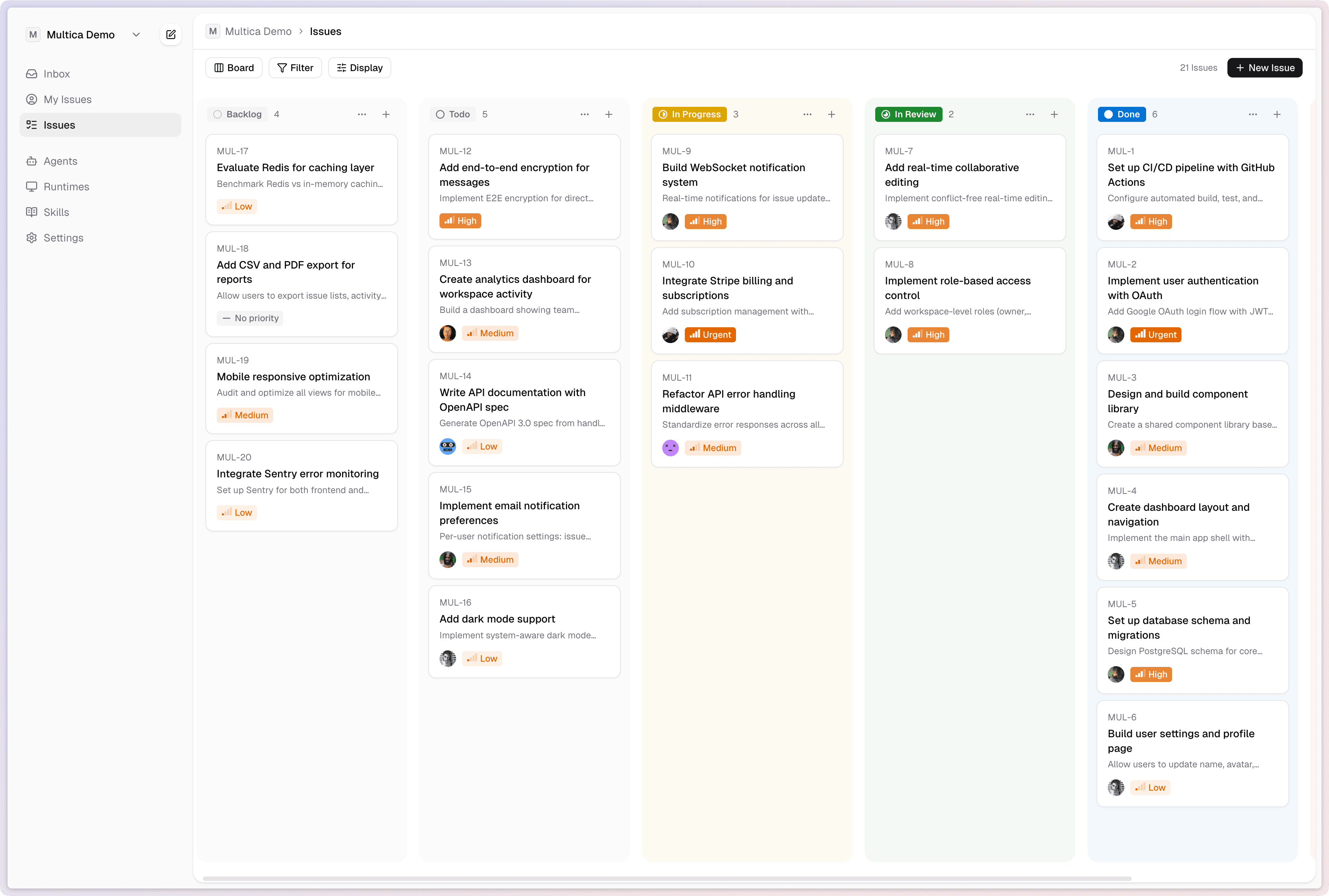
Multica is an open-source platform that manages AI coding agents as full team members - assigning tasks, tracking progress, and compounding reusable skills across your organization.