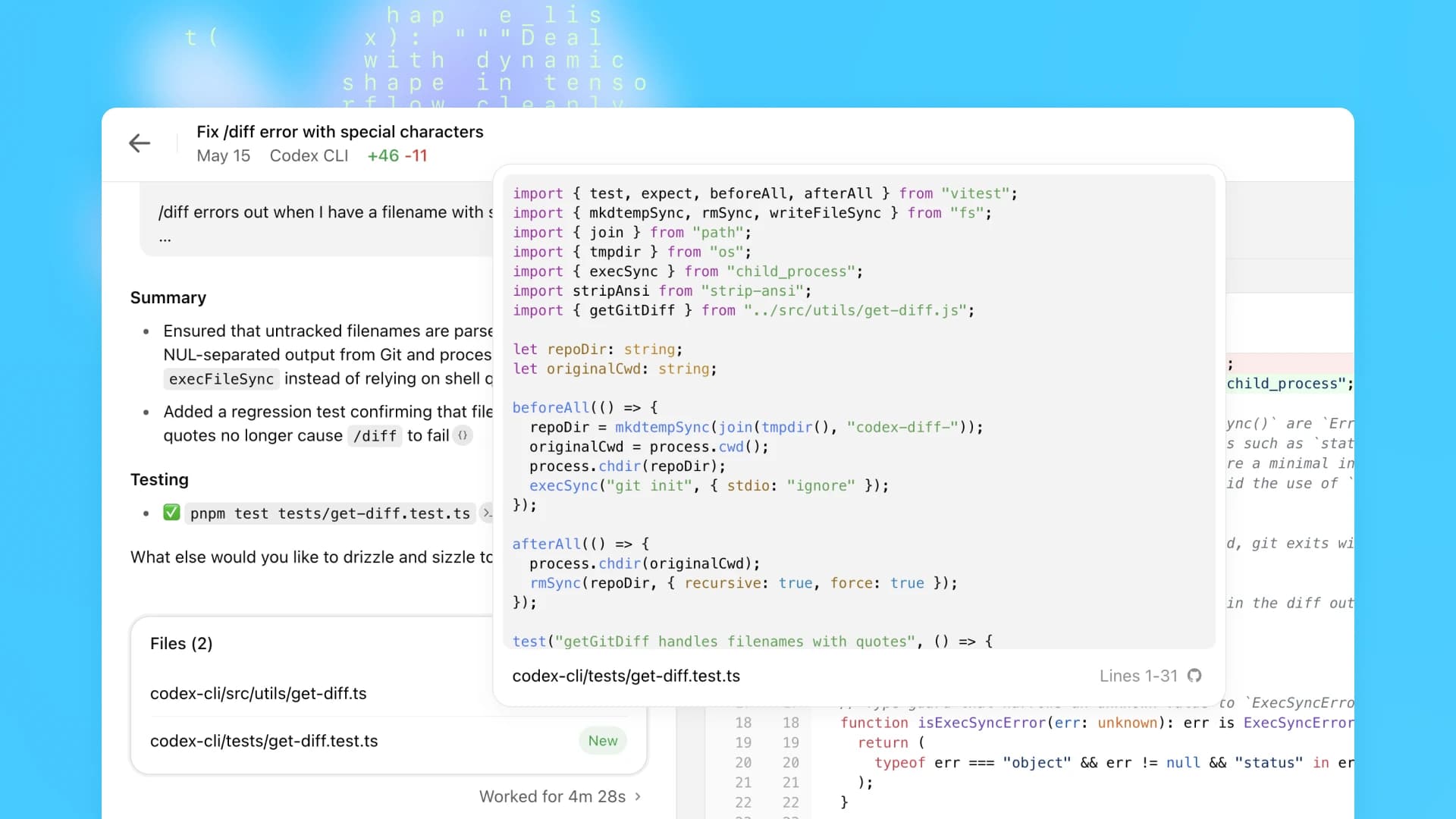
OpenAI's Search Revolution: SearchGPT 2.0, GPT-5.4 Thinking, and Codex App
OpenAI isn't just building AI models anymore — it's building an entire ecosystem. From challenging Google's search dominance with SearchGPT 2.0 to revolutionizing coding with the Codex App, OpenAI is reshaping how we find information and write code. Here's everything you need to know about three major OpenAI releases.
1. SearchGPT 2.0: Taking on Google
The Search Wars Heat Up
Google accounts for over 90% of all online searches. OpenAI's SearchGPT is about to change that. SearchGPT 2.0 represents OpenAI's most serious push into the search market, combining real-time information with AI-powered understanding.
Key Features
- Real-time updates: Access to current information across the web
- AI-native results: Not just links, but synthesized answers
- Source citations: Clear attribution for transparency
- Multimodal search: Can process and understand images in search queries
Market Impact
SearchGPT 2.0 is causing quite a stir in the tech industry. The implications are significant:
- Google's monopoly challenged: For the first time, a credible alternative exists
- Advertising disruption: Traditional search ads may become less relevant
- SEO transformation: Content quality matters more than keyword optimization
The battle for search is just beginning, and 2026 will be the year it heats up.
2. GPT-5.4 Thinking: The Reasoning Revolution
Released March 5, 2026
OpenAI released GPT-5.4 on March 5, 2026, billed as "our most capable and efficient frontier model for professional work." This release introduced the revolutionary "Thinking" mode.
Variants Available
- GPT-5.4 Thinking: Available to Plus, Team, and Pro users
- GPT-5.4 Pro: Takes more reasoning time and compute for complex tasks
- GPT-5.4 mini: Released March 17, 2026 for faster responses
- GPT-5.4-Codex: Specialized variant for coding tasks
Key Capabilities
- 75% Computer Use: Significantly improved ability to interact with computers
- 1 Million Context: Process extremely long documents and conversations
- Configurable reasoning effort: Users can adjust thinking time based on task complexity
Pricing
- $2.50 per million tokens: Competitive pricing for frontier model performance
- Legacy models (GPT-5.2 Thinking) available until June 5, 2026
Performance
GPT-5.4 represents a significant leap forward in reasoning capabilities, with improved instruction following and day-to-day reliability. The "Thinking" mode allows the model to spend more compute on complex reasoning tasks, producing more accurate and thoughtful responses.
3. The Codex App: AI Coding Goes Desktop
Released February 2, 2026 (macOS), March 4, 2026 (Windows)
OpenAI launched the Codex App, bringing AI-powered coding directly to your desktop. This isn't just another IDE plugin — it's a dedicated coding environment powered by OpenAI's latest models.
Platform Availability
- macOS: Initial release
- Windows: Released March 4, 2026
Features
- Library of skills: Pre-built capabilities for common development tasks
- Multi-agent support: Coordinate multiple AI agents for complex projects
- Plugin workflows: First-class support for extensions and integrations
- Terminal integration: Full command-line capabilities
- Image tools: Work with visual assets in your projects
Codex Variants
- GPT-5.3-Codex: Released February 5, 2026
- GPT-5.4-Codex: Specialized coding variant
Enterprise Use
OpenAI has used Codex internally to accelerate research and development:
- Training monitoring: Track and debug training runs
- Pattern recognition: Identify patterns beyond infrastructure problems
- Research acceleration: Faster iteration on new model development
The Bigger Picture
These three releases represent OpenAI's strategy of ecosystem dominance:
- SearchGPT 2.0: Capturing the information discovery market
- GPT-5.4 Thinking: Establishing reasoning supremacy
- Codex App: Owning the developer workflow
Together, they form a comprehensive AI stack that competes with Google on search, Anthropic on reasoning, and traditional IDEs on coding.
What's Next
The pace of OpenAI releases is accelerating. With each iteration, the company is:
- Expanding capabilities
- Reducing costs
- Improving accessibility
- Deepening enterprise integration
The AI landscape in 2026 is defined not by chatbot improvements, but by the emergence of AI that acts, searches, and codes. OpenAI is leading that charge.
This analysis is based on OpenAI announcements and industry reporting.
Read more
Qwen 3.7 Max: Alibaba's Agent-Grade Reasoning Model
Alibaba's Qwen 3.7 Max is a text-only reasoning flagship with 1M token context, scoring #5 on the Artificial Analysis Intelligence Index and #3 in coding benchmarks.
Meta Muse Spark: A New Frontier in Multimodal Reasoning
Meta's Superintelligence Labs unveils Muse Spark, a natively multimodal reasoning model with multi-agent orchestration and strong performance in health and visual reasoning.
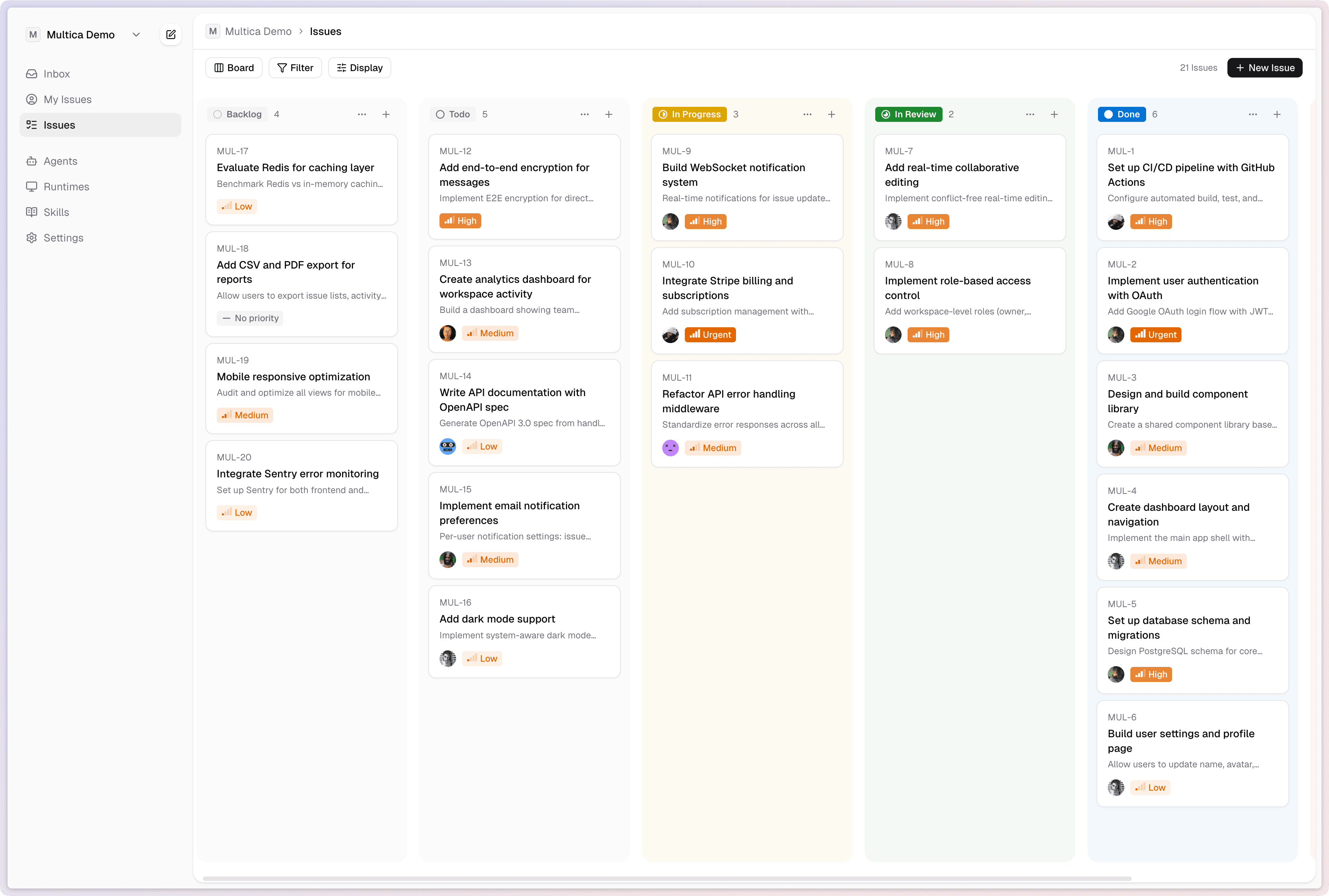
Multica: Turn AI Agents Into Real Teammates
Multica is an open-source platform that manages AI coding agents as full team members - assigning tasks, tracking progress, and compounding reusable skills across your organization.