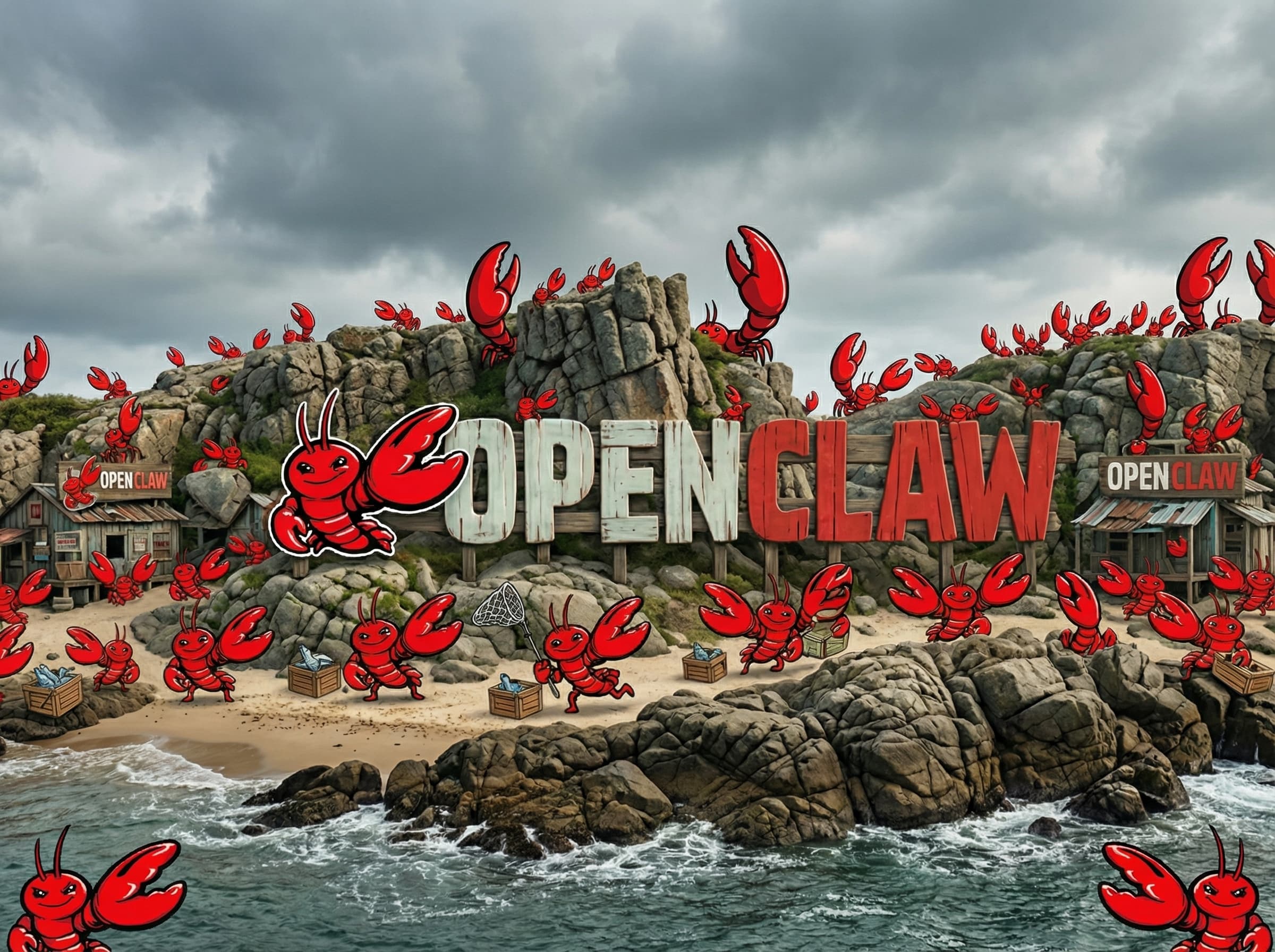
Rise of the Claws: How Baidu, Alibaba, and MiniMax Are Building the AI Agent Future
The AI agent revolution is here, and it's happening faster than anyone predicted. What started with OpenClaw's viral open-source success has sparked a global race to build the definitive autonomous AI platform. Tech giants are launching their own "Claw" variants, each with unique approaches to solving the same problem: how to make AI agents that actually work in the real world.
Here's the current state of the Claw wars.
Baidu's DuClaw: Zero-Deployment for 700 Million Users
Baidu took a different approach entirely. Instead of building from scratch, they built on OpenClaw's success and made it accessible to everyone instantly.
Key Features:
- Zero-deployment: No server configuration, no setup required
- Web-based access: Instant access through any browser
- 700 million potential users: Leveraging Baidu's massive user base
- Integrated services: Bundles Baidu Search, Baidu Baike, and Baidu Scholar skills
- Multiple foundation models: Support for various AI models
Launch Date: March 11, 2026
DuClaw's genius is in its simplicity. By removing all technical barriers, Baidu made AI agents accessible to everyone, not just developers. The zero-deployment approach means users can start using AI agents immediately without any setup.
Alibaba's HiClaw: The Ecosystem Play
Alibaba's HiClaw takes the most ambitious approach of all. Instead of just building an agent, they're integrating AI agents into their entire ecosystem.
What HiClaw Offers:
- Ecosystem integration: Direct integration with Alibaba Cloud and retail platforms
- Multi-platform support: Works across e-commerce, food delivery, travel, movie ticketing
- 3 billion yuan campaign: Massive coupon campaign to drive adoption
- Chat-based commerce: Users can make purchases using only chatbot prompts
- DingTalk integration: Built by the team behind Alibaba's Slack-like platform
Recent Development: The coupon campaign was so popular it temporarily shut down the app, showing massive consumer demand for agent-based commerce.
GitHub Repository: github.com/agentscope-ai/HiClaw
HiClaw represents Alibaba's bet that the future of commerce isn't apps or websites — it's conversations. By integrating agents into everything from shopping to food delivery, they're creating a seamless AI-powered commerce experience.
MiniMax's MaxClaw: The Developer's Choice
MiniMax went after developers directly with MaxClaw, positioning it as the managed alternative to self-hosted agent solutions.
MaxClaw Highlights:
- Cloud-hosted: No maintenance, no scaling worries
- One-click deployment: Launch agents instantly
- Persistent memory: Agents remember conversations across sessions
- Multi-platform integration: Works across various platforms
- M2.5 powered: Uses MiniMax's advanced foundation model
- Zero-code options: Build agents without writing code
Launch Date: February 25, 2026
Official Site: maxclaw.ai
MaxClaw's pitch is simple: developers should focus on building great agent experiences, not managing infrastructure. By handling deployment, scaling, and uptime, MiniMax lets developers concentrate on what matters most.
The OpenClaw Foundation
What's remarkable about this Claw explosion is that most of these solutions are built on OpenClaw, the open-source agent platform that started it all. OpenClaw's permissive licensing and powerful capabilities made it the perfect foundation for companies to build upon.
OpenClaw GitHub: github.com/openclaw/openclaw
This open-source foundation has created a virtuous cycle: companies build on OpenClaw, contribute improvements back, and the entire ecosystem advances faster than any single company could achieve alone.
What This Means for the Future
The rise of the Claws signals a fundamental shift in how we interact with technology:
- From apps to agents: The interface is becoming conversation, not clicks
- From manual to autonomous: AI agents will handle routine tasks automatically
- From isolated to integrated: Agents will work across entire ecosystems, not single apps
- From technical to accessible: Zero-deployment solutions make AI available to everyone
Who Will Win?
It's too early to declare a winner, but each Claw is pursuing a different strategy:
- Baidu: Mass adoption through simplicity and scale
- Alibaba: Ecosystem transformation through integration
- MiniMax: Developer loyalty through ease of use
The most likely outcome? Multiple winners serving different markets. Consumers might prefer Baidu for simplicity, shoppers might use Alibaba for convenience, and developers might gravitate to MiniMax for flexibility.
The Next Chapter
This is just the beginning. As these platforms mature and more companies join the Claw race, we'll see rapid innovation in capabilities, integration, and user experience. The companies that figure out how to make AI agents truly useful, reliable, and accessible will define the next decade of technology.
One thing's certain: the age of AI agents is here, and the Claws are leading the charge.
This analysis is based on official announcements, GitHub repositories, and industry reports from each company.
Read more
Qwen 3.7 Max: Alibaba's Agent-Grade Reasoning Model
Alibaba's Qwen 3.7 Max is a text-only reasoning flagship with 1M token context, scoring #5 on the Artificial Analysis Intelligence Index and #3 in coding benchmarks.
Meta Muse Spark: A New Frontier in Multimodal Reasoning
Meta's Superintelligence Labs unveils Muse Spark, a natively multimodal reasoning model with multi-agent orchestration and strong performance in health and visual reasoning.
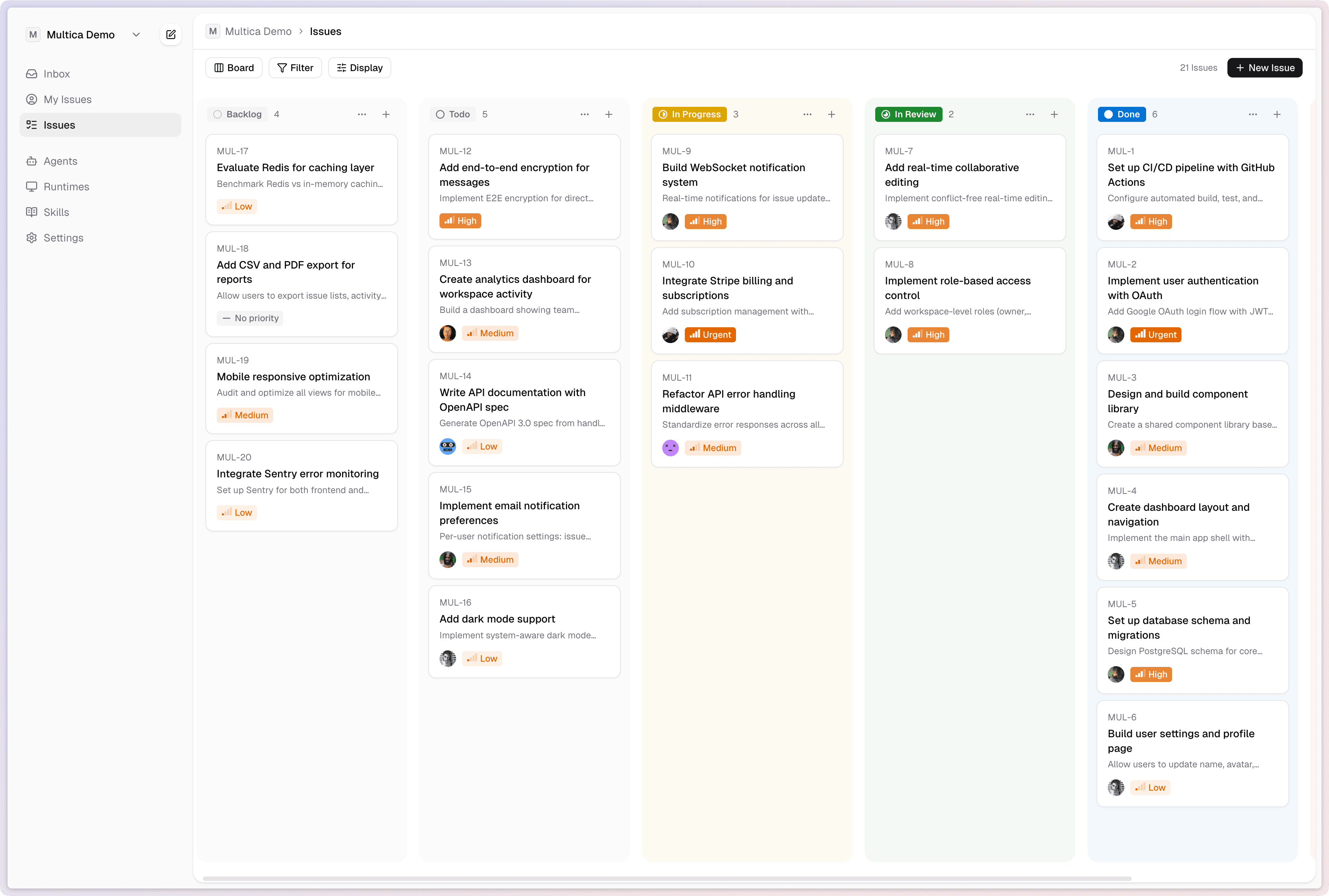
Multica: Turn AI Agents Into Real Teammates
Multica is an open-source platform that manages AI coding agents as full team members - assigning tasks, tracking progress, and compounding reusable skills across your organization.