SpaceX Acquires xAI in $1.25 Trillion Deal to Build Orbital Data Centers
Elon Musk has done it again. On February 2, 2026, SpaceX officially acquired xAI, creating the world's most valuable private company with a combined valuation of $1.25 trillion. But this isn't just another acquisition—it's Musk's bold bet on the future of AI infrastructure: data centers in space.
The Merger: By the Numbers
The deal values xAI at $250 billion and SpaceX at $1 trillion, making it the biggest M&A transaction of all time. The merger brings together two of Musk's companies, each with its own financial challenges:
- xAI Burn Rate: ~$1 billion per month according to Bloomberg
- SpaceX Revenue: 80% comes from launching Starlink satellites
- Combined Valuation: $1.25 trillion (Bloomberg)
This consolidation creates a unified Musk empire ahead of SpaceX's planned IPO, which is reportedly targeting June 2026.
The Vision: Orbital Data Centers
In a memo to employees, Musk laid out the grand vision: creating space-based data centers that can meet AI's ever-growing computing demands without the terrestrial limitations of power and cooling.
"Current advances in AI are dependent on large terrestrial data centers, which require immense amounts of power and cooling," Musk wrote. "Global electricity demand for AI simply cannot be met with terrestrial solutions, even in the near term, without imposing hardship on communities and the environment."
This comes after xAI faced criticism for imposing environmental hardship on communities near its data centers in Memphis, Tennessee. The orbital solution would theoretically eliminate these ground-level concerns.
The Technical Challenge: One Million Satellites
Three days before the acquisition announcement, SpaceX filed plans with the Federal Communications Commission for a constellation of up to one million satellites designed to operate as orbital data centers. These satellites would rely on solar power to run onboard computing systems supporting AI applications.
Musk provided few technical details about the proposed constellation, but he did outline an ambitious scale:
- Launch Rate: "With launches every hour carrying 200 tons per flight, Starship will deliver millions of tons to orbit and beyond per year"
- Starship as Enabler: The scale of the system would serve as a "forcing function" for Starship, similar to how Starlink drove increased Falcon 9 launch rates
The Cooling Problem: Space Has Its Own Issues
While orbital data centers solve Earth's power and cooling challenges, they introduce new technical hurdles:
According to industry experts, the problems are likely more severe in space than under the sea. Key challenges include:
- Cooling in Orbit: Unresolved questions over how to cool data centers in orbit
- Launch Costs: High rocket launch costs for deployment and maintenance
- Space Environment: Effects of the harsh space environment on AI chips
- Satellite Lifespan: Satellites are required to be de-orbited every five years by the FCC
Roy Chua, founder of industry research firm AvidThink, noted: "These problems are likely to be more severe in space than under the sea."
The Long-Term Vision: Harnessing the Sun
Musk's ambition extends far beyond current proposals. In his memo, he wrote:
"In the long term, space-based AI is obviously the only way to scale. To harness even a millionth of our sun's energy would require more than a million times the energy our civilization currently uses."
This vision positions the SpaceX-xAI merger as the first step toward a future where humanity's computing infrastructure exists beyond Earth.
Impact on the IPO
The merger is likely to reinforce SpaceX's plans for an initial public offering. The filing sets the stage for a historic June 2026 market debut, with advisors suggesting the company could seek to raise over $75 billion.
The combined entity's valuation and the strategic positioning around orbital data centers could make this one of the most anticipated tech IPOs in history. However, it's unclear whether the merger will affect the IPO timeline, as Musk did not address the IPO in his public memo.
Industry Implications
This merger sends shockwaves through multiple industries:
For AI Companies
- Compute Access: Potential new model for meeting massive compute needs
- Environmental Concerns: Alternative to controversial terrestrial data center locations
- Cost Structure: Long-term savings vs. massive upfront investment
For Space Industry
- New Market: Orbital data centers represent a potential trillion-dollar market
- Starship Demand: Massive launch requirements could accelerate Starship development
- Regulatory Framework: FCC filings suggest willingness to create new regulatory precedents
For Competitors
- Microsoft: Their underwater data center project was abandoned; SpaceX aims to go further
- Google: Must consider orbital alternatives for future infrastructure
- Amazon: AWS faces pressure to explore non-terrestrial options
The Revenue Loop
Musk's memo revealed an interesting economic model: a constant stream of satellites to create space-based data centers ensures SpaceX will have an even larger constant stream of revenue for the foreseeable future.
This revenue loop looks even more attractive when you consider that satellites are required to be de-orbited every five years by the FCC—creating ongoing replacement demand.
What's Next
While space data centers may be the stated goal, SpaceX and xAI have very different near-term objectives:
- xAI: Continue building Grok and competing with OpenAI, Anthropic, and Google
- SpaceX: Maintain Starlink launch cadence and advance Starship development
- Combined: Develop the technical foundation for orbital computing
The integration challenge begins immediately. Combining xAI's AI capabilities with SpaceX's launch infrastructure represents a massive technical and organizational undertaking.
The $1.25 Trillion Question
Can orbital data centers actually work? Can SpaceX launch enough satellites to make this economically viable? Can they solve the cooling and radiation challenges?
Musk has a track record of achieving seemingly impossible goals. But this might be his most ambitious project yet. The $1.25 trillion question now is whether SpaceX can deliver on this vision of computing beyond Earth—or whether it's another ambitious idea that runs into the harsh realities of physics and economics.
One thing is certain: the race to build the AI infrastructure of the future just moved from terrestrial data centers to the final frontier.
This analysis is based on official SpaceX announcements, regulatory filings, and industry reports from TechCrunch, SpaceNews, Reuters, and Bloomberg.
Read more
Qwen 3.7 Max: Alibaba's Agent-Grade Reasoning Model
Alibaba's Qwen 3.7 Max is a text-only reasoning flagship with 1M token context, scoring #5 on the Artificial Analysis Intelligence Index and #3 in coding benchmarks.

Meta Muse Spark: A New Frontier in Multimodal Reasoning
Meta's Superintelligence Labs unveils Muse Spark, a natively multimodal reasoning model with multi-agent orchestration and strong performance in health and visual reasoning.
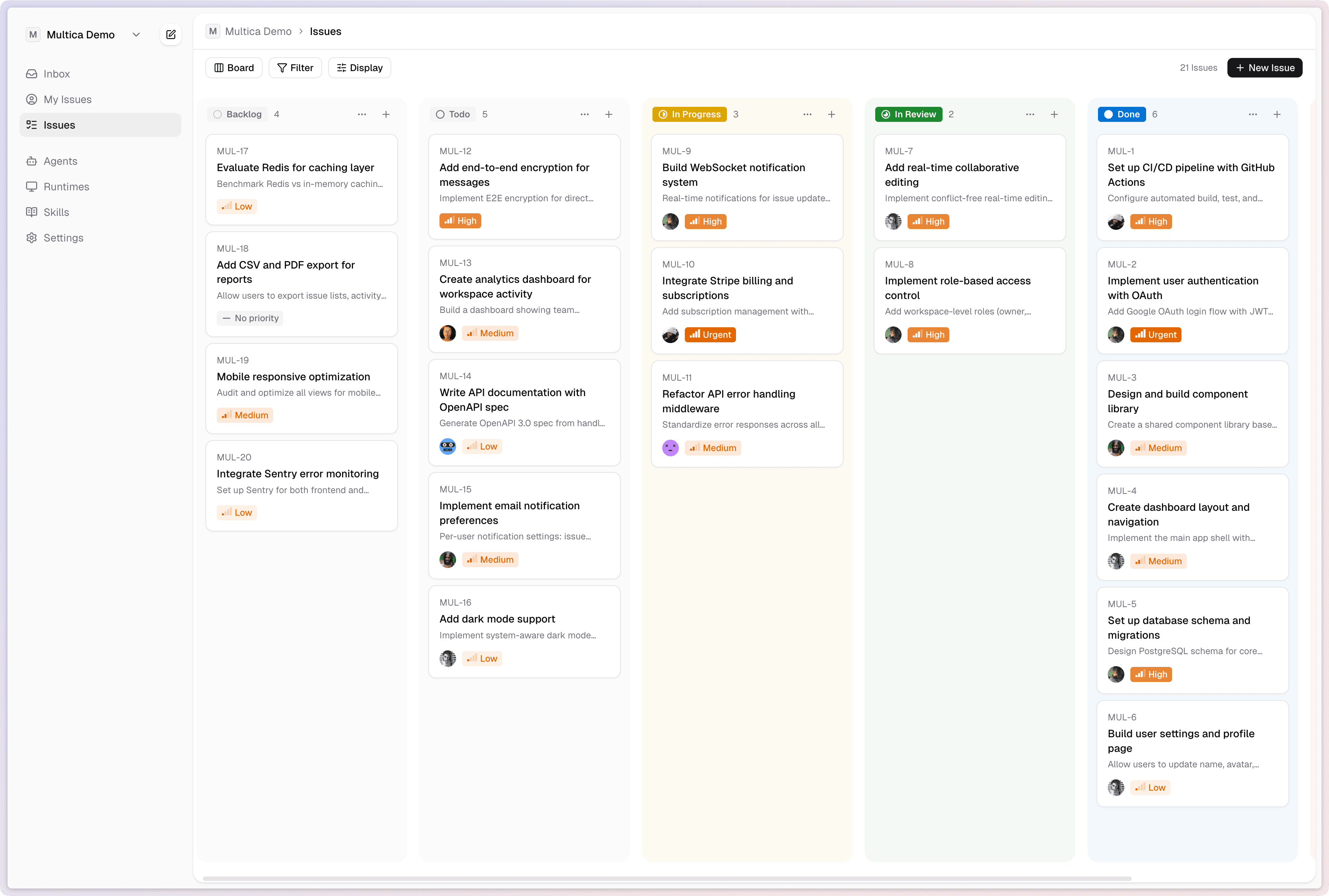
Multica: Turn AI Agents Into Real Teammates
Multica is an open-source platform that manages AI coding agents as full team members - assigning tasks, tracking progress, and compounding reusable skills across your organization.